

What Is Reiki?
Introduction
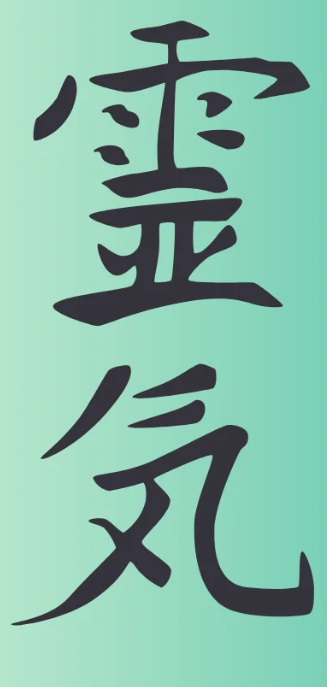
Reiki is an ancient energy healing practice rediscovered in Japan by Mikao Usui in the 1920s. The name comes from the Japanese words Rei (wisdom of the universe) and Ki (life-force energy), describing the essence of the practice.
Reiki works with the natural life‑force that flows through and around the body, supporting balance on all levels – physical, emotional, mental and spiritual. This universal energy, known across different traditions as Ki, Qi, Chi or Prana, moves through pathways such as the chakras, meridians and the aura, nourishing every part of your being.
When this flow becomes disrupted by stress, emotional strain or the pressures of daily life, you may feel depleted or out of alignment. Reiki offers a gentle yet powerful way of reconnecting with this high‑vibrational energy. It knows exactly where to go and how to respond, dissolving blockages, soothing the nervous system and supporting the body’s natural ability to heal.
Reiki can be received both in person, through light hands‑on or hands‑above‑body placements, and remotely, where the energy is shared across distance with the same depth and effectiveness.
Reiki is not linked to any religion or belief system and is open to everyone, regardless of culture, faith, or personal beliefs. It is a natural, accessible practice that meets you exactly where you are, offering comfort, clarity and a renewed sense of wellbeing.
Reiki - Universal Life Force
Session guide
What is the difference between in‑person and remote Reiki?
In-person sessions
In‑person Reiki offers a gentle, hands‑on experience where you can fully settle into the space and be supported in real time. No belief system is required – only a willingness to receive. I place my hands lightly on or just above your body in a series of intuitive positions, allowing Reiki to flow to the areas that need it most. This can help release tension, replenish depleted energy and support the body’s natural healing processes. In‑person sessions also include gentle sound healing elements, with instruments chosen to support your energy and deepen the therapeutic effect.
Remote sessions
Remote Reiki (sometimes called distance Reiki) works in exactly the same way, without the need to be physically present. Because Reiki is not limited by time or space, the energy can be shared across any distance with the same depth and effectiveness. This format is ideal if you prefer to receive healing at home, or if travel, mobility or energy levels make in‑person sessions less accessible. All you need is a quiet, comfortable space and a willingness to receive. I connect with your energy using your name and location, and the Reiki flows to you in the way your system needs most.
Choosing your session
Both in‑person and remote Reiki sessions offer meaningful benefits. The right choice depends on your needs and the type of experience you’re seeking. You can explore all options on the Signature Services page.
How will I feel during and after a Reiki session?
Everyone experiences Reiki differently. You may notice sensations such as warmth, coolness, or gentle tingling wherever my hands are placed. The body may twitch or gently move as energy begins to shift. Some people experience colours, dream‑like imagery, or the resurfacing of long‑forgotten memories. Emotional release – whether tearful, joyful, or simply a softening – is also common. These sensations are a natural part of the process as your system rebalances and releases what it no longer needs.
You may experience none of these sensations, simply feeling deeply calm, peaceful, and relaxed. Even if you don't feel anything, Reiki is still flowing and supporting your system in the way you need it most. A state of profound rest allows physical, mental and emotional stress to soften and leave the body, restoring balance and wellbeing. Reiki adapts to each person, offering exactly what is needed in that moment.
I hold a safe, supportive space for anything that arises. You are welcome to share your experience at any point, and you will never be rushed or judged. It’s important that you feel ready for positive change and to have support around you afterwards if strong emotions surface.
After a session, there is usually a period of gentle integration. Old symptoms or emotions may briefly reappear as the body recalibrates, and things may feel a little more intense before they settle. This is a natural part of the process and usually lasts 2–3 days. During this time, drinking water and resting when you can will support your system. If you live with mental health challenges and find that difficult emotions linger, please reach out to your doctor or mental health professional for additional support.
How often should I experience Reiki?
Reiki is an individual experience, so there’s no set number of sessions. Many clients prefer monthly sessions, while others come more or less frequently – it’s completely personal. Your system will let you know when it’s time; come whenever you feel drawn.
Most people find that more than one session is helpful, as healing unfolds gradually and the body often needs time to return to balance. You could begin with a short series of three sessions, spaced around two weeks apart, to allow the body to unwind and recalibrate. After this, monthly sessions can help maintain balance and support ongoing wellbeing, especially during times of stress or transition.
Because Reiki continues to integrate after each session, it’s best to allow at least a week between treatments.
Suitability
Is Reiki suitable for everyone?
Reiki is widely recognised as a safe, low‑risk holistic therapy, but there are important guidelines to ensure your wellbeing. It is intended to complement medical care, not replace it. Please continue taking any prescribed medication and seek advice from your doctor if you have a medical condition. A Reiki practitioner is not a medical professional and cannot diagnose or treat illness. If you rely on life‑saving medication such as an inhaler, EpiPen, or insulin, please bring it with you.
If you are taking medication for a long‑term condition and receiving regular Reiki treatments, it can be helpful to have routine check‑ins with your doctor. As your system rebalances, your medical team may need to review or adjust your treatment plan.
Additional considerations
Reiki often brings a deep sense of relaxation, so it’s best to avoid long drives or returning to work immediately afterwards. Staying hydrated supports the body as it integrates the session. Alcohol and recreational drugs can disrupt the body’s natural equilibrium, so it’s recommended to avoid these for at least 24 hours before and after a session.
Retune Room
Copyright © 2025 Retune Room – All rights reserved.